How Did African American Quilters Influence Southern Quilting
Influences of African American Quilters on Southern Quilting
Quilting has a rich history in the southern United States, with deep-rooted traditions passed down through generations. Among the many contributors to the art of quilting in the South, African American quilters have played a significant role in shaping the craft and influencing the styles and techniques that are still cherished today. Their unique perspectives, creativity, and cultural heritage have left a lasting impact on the world of quilting in the South.
Origins of African American Quilting Traditions
African American quilting traditions can be traced back to the time of slavery when quilting served both practical and symbolic purposes. Enslaved African Americans used quilting as a means of survival, creating quilts for warmth and comfort while also using quilting patterns to communicate messages and preserve their cultural heritage. These quilts often featured geometric patterns and vibrant colors that reflected the African roots of the quilters.
Influence on Quilting Techniques
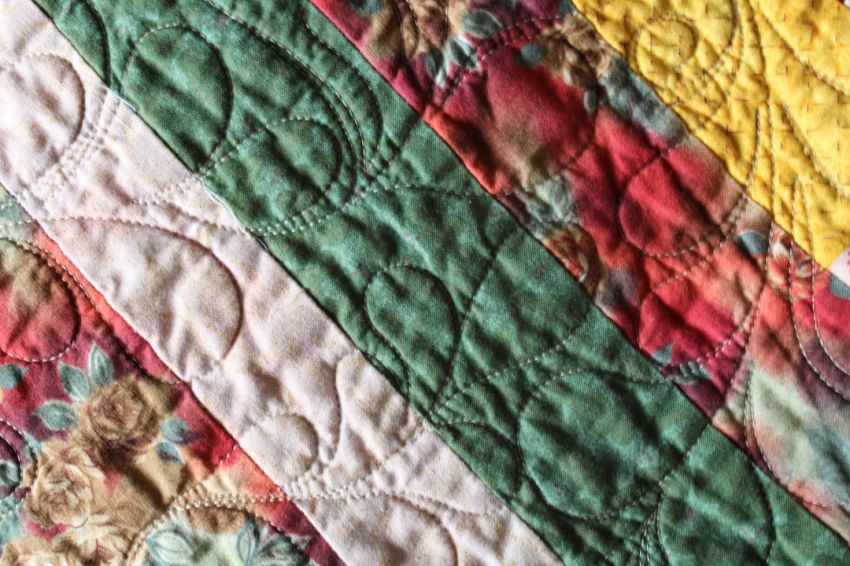
African American quilters brought their unique quilting techniques and styles to the South, enriching the existing quilting traditions with their creativity and innovation. One of the most notable contributions of African American quilters to southern quilting is the improvisational quilting style, also known as “quilting in the moment.” This approach involves sewing together fabric scraps without a predetermined pattern, allowing the quilter to create one-of-a-kind designs that are both visually stunning and deeply personal.
The use of bold colors and intricate patterns is another hallmark of African American quilting that has had a profound influence on southern quilting. African American quilters often incorporate symbolic motifs and designs into their quilts, drawing inspiration from their cultural heritage and spiritual beliefs. These vibrant and dynamic quilts have become synonymous with the rich tradition of African American quilting in the South.
Preserving Cultural Heritage Through Quilting
African American quilters have played a vital role in preserving their cultural heritage through quilting, passing down traditional techniques and designs from one generation to the next. Quilting has served as a form of storytelling for African American quilters, allowing them to express their personal experiences, struggles, and triumphs through the art of quilting. By creating quilts that reflect their unique perspectives and histories, African American quilters have ensured that their cultural legacy lives on in the quilting traditions of the South.
Community and Collaboration in Quilting
Quilting has always been a communal activity in the South, bringing together quilters from different backgrounds to share stories, skills, and techniques. African American quilters have played a crucial role in fostering a sense of community and collaboration within the quilting world, organizing quilting bees, workshops, and gatherings that celebrate the art of quilting and honor its cultural significance. Through these collaborative efforts, African American quilters have enriched the quilting community in the South and created a space where quilters of all backgrounds can come together to learn, create, and inspire one another.
A Legacy of Innovation and Creativity
The contributions of African American quilters to southern quilting are undeniable, shaping the art form in profound and meaningful ways. Their legacy of innovation, creativity, and cultural preservation continues to inspire quilters today, ensuring that the traditions of African American quilting remain alive and vibrant in the quilts of the South. The influence of African American quilters on southern quilting is a testament to the enduring power of art to transcend boundaries, connect communities, and preserve heritage for future generations to cherish and celebrate.