What Are the Roles of Storytellers in Southern Festivals
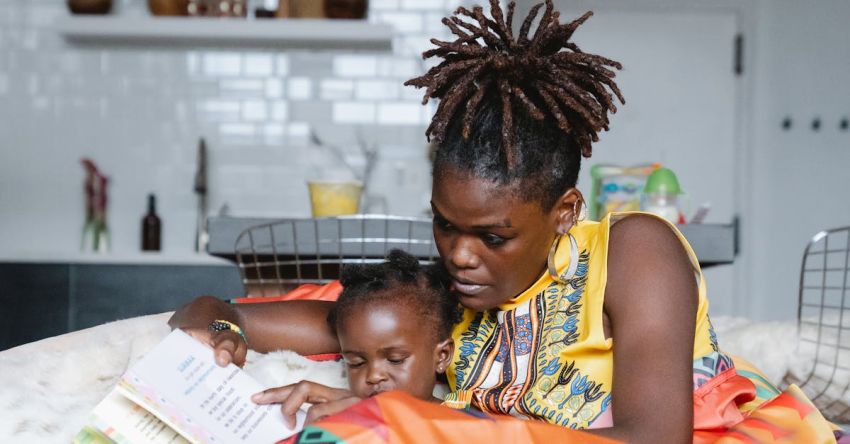
Southern festivals are vibrant celebrations that bring communities together to honor traditions, share stories, and create lasting memories. At the heart of these festive gatherings are storytellers who play essential roles in preserving cultural heritage, entertaining audiences, and passing down valuable lessons from one generation to the next.
Preserving Cultural Heritage
Storytellers at Southern festivals serve as the custodians of cultural heritage, keeping alive the traditions, myths, and legends that define a community’s identity. Through their tales, storytellers weave a rich tapestry of history, folklore, and customs that connect people to their roots and instill a sense of pride in their heritage. By sharing stories that have been passed down through generations, these storytellers ensure that the traditions and values of the past continue to resonate with audiences today.
Entertaining Audiences
One of the primary roles of storytellers at Southern festivals is to entertain and captivate audiences with their engaging narratives and lively performances. Whether spinning tales of adventure, romance, or humor, these skilled storytellers have the ability to transport listeners to different worlds and evoke a range of emotions through their words. With their expressive gestures, dynamic voices, and animated expressions, storytellers have the power to hold audiences spellbound and create an immersive experience that leaves a lasting impression.
Passing Down Valuable Lessons
Storytellers at Southern festivals are not just entertainers; they are also teachers who impart valuable lessons, moral teachings, and cultural wisdom through their stories. By sharing fables, parables, and anecdotes, these storytellers offer insights into human nature, ethics, and the complexities of life. Through metaphor and allegory, they convey important messages about respect, kindness, perseverance, and the consequences of one’s actions. In this way, storytellers play a crucial role in shaping values, guiding behavior, and fostering empathy among listeners of all ages.
Connecting Communities
Another significant role of storytellers at Southern festivals is to forge connections among community members by creating shared experiences and fostering a sense of belonging. Through their stories, storytellers bring people together, spark conversations, and strengthen social bonds that transcend differences in age, background, or beliefs. By providing a common ground for dialogue and reflection, these storytellers help to build a sense of unity, solidarity, and mutual understanding within the community.
Inspiring Creativity
Storytellers at Southern festivals inspire creativity and imagination in both young and old alike, encouraging listeners to think creatively, dream big, and explore new possibilities. Through their inventive narratives, colorful characters, and imaginative plots, storytellers ignite the spark of creativity in their audiences, inspiring them to write their own stories, create their own art, and embrace their unique talents. By nurturing the creative spirit, storytellers empower individuals to express themselves, think outside the box, and envision a brighter future.
Embracing Diversity
Storytellers at Southern festivals celebrate the diversity of cultures, perspectives, and experiences that make up the fabric of society, encouraging inclusivity, acceptance, and mutual respect. By sharing stories from different traditions and backgrounds, these storytellers promote cultural exchange, dialogue, and understanding, fostering a spirit of openness, curiosity, and appreciation for the richness of human diversity. Through their storytelling, they invite audiences to embrace the beauty of different voices, narratives, and worldviews, encouraging them to see the world through a more compassionate and inclusive lens.
Celebrating Resilience
Storytellers at Southern festivals honor the resilience, strength, and perseverance of their communities by sharing stories of triumph over adversity, survival in the face of challenges, and the enduring spirit of resilience that defines the Southern ethos. Through tales of courage, resilience, and hope, these storytellers pay tribute to the indomitable human spirit, highlighting the power of resilience in overcoming obstacles, weathering storms, and emerging stronger on the other side. By acknowledging the struggles and triumphs of the past, storytellers inspire audiences to face their own challenges with courage, determination, and grace.
In conclusion, storytellers play multifaceted roles in Southern festivals, serving as the guardians of cultural heritage, entertainers, teachers, community builders, creativity inspirers, diversity champions, and resilience celebrants. Through their storytelling craft, they weave a tapestry of narratives that connect the past with the present, bring people together, and inspire audiences to embrace the values and traditions that define their shared identity. As we gather at Southern festivals to listen to the tales spun by these storytellers, we are reminded of the power of stories to unite, inspire, and transform our lives, one narrative at a time. So, next time you find yourself at a Southern festival, take a moment to listen to the storytellers, for in their words lie the heart and soul of a community, waiting to be heard and cherished.