What Were the Key Events of the Civil Rights Movement in the South
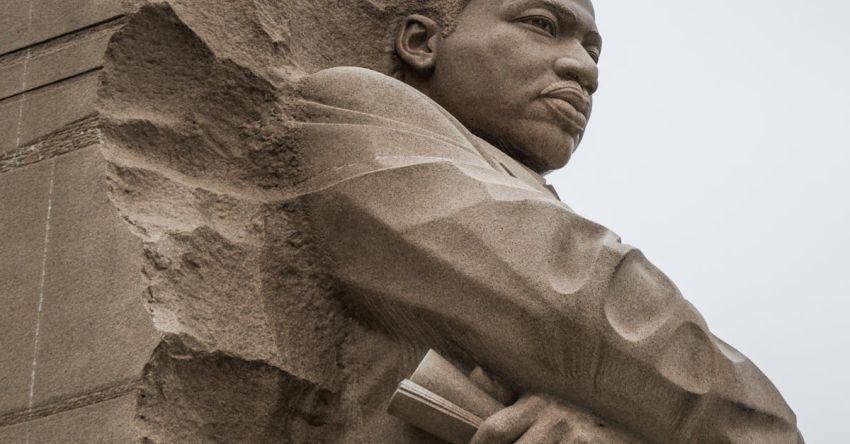
The Civil Rights Movement in the South was a pivotal moment in American history, marked by significant events that shaped the fight for racial equality and social justice. From landmark court cases to grassroots activism, the movement in the South was a catalyst for change that reverberated across the nation. Here, we delve into the key events that defined this transformative period.
### Brown v. Board of Education (1954)
One of the most critical events in the Civil Rights Movement was the Supreme Court’s ruling in Brown v. Board of Education. This landmark case declared that segregation in public schools was unconstitutional, overturning the “separate but equal” doctrine established in Plessy v. Ferguson. The decision paved the way for desegregation efforts and set the stage for further challenges to institutionalized racism.
### Montgomery Bus Boycott (1955-1956)
The Montgomery Bus Boycott was a pivotal moment in the Civil Rights Movement, sparked by Rosa Parks’ refusal to give up her seat to a white passenger. African Americans in Montgomery, Alabama, organized a year-long boycott of the city’s bus system, demanding an end to segregated seating. The boycott, led by Dr. Martin Luther King Jr., showcased the power of nonviolent resistance and led to a Supreme Court ruling that declared segregation on buses unconstitutional.
### Sit-ins and Freedom Rides (1960-1961)
In the early 1960s, the tactic of nonviolent direct action gained momentum through sit-ins and Freedom Rides. African American college students staged sit-ins at segregated lunch counters across the South, challenging Jim Crow laws and demanding equal treatment. The Freedom Rides, organized by the Congress of Racial Equality (CORE), involved interracial groups traveling by bus through the South to protest segregated bus terminals. These actions drew national attention to the injustices of segregation and galvanized support for the civil rights cause.
### Birmingham Campaign and March on Washington (1963)
The Birmingham Campaign of 1963 was a turning point in the Civil Rights Movement, marked by mass protests, boycotts, and confrontations with law enforcement. Led by Dr. Martin Luther King Jr., the campaign aimed to challenge segregation and discriminatory practices in one of the most racially divided cities in the South. The use of nonviolent resistance and the resilience of the demonstrators captured the attention of the nation and led to significant concessions from local authorities.
The March on Washington for Jobs and Freedom in August 1963 brought together over 250,000 people in support of civil rights and economic equality. The highlight of the march was Dr. King’s iconic “I Have a Dream” speech, which resonated with audiences worldwide and called for an end to racial discrimination and injustice.
### Voting Rights Act of 1965
The Voting Rights Act of 1965 was a landmark piece of legislation that aimed to eliminate barriers to voting for African Americans in the South. The act prohibited discriminatory voting practices such as literacy tests and poll taxes, which had been used to disenfranchise black voters. By enfranchising millions of African Americans, the Voting Rights Act was a significant step towards achieving political equality and representation.
### Conclusion: A Legacy of Struggle and Progress
The Civil Rights Movement in the South was a testament to the power of grassroots activism, nonviolent resistance, and the pursuit of justice. Through key events such as Brown v. Board of Education, the Montgomery Bus Boycott, and the Voting Rights Act of 1965, the movement made significant strides towards dismantling segregation and institutionalized racism. While challenges persist, the legacy of the Civil Rights Movement serves as a reminder of the ongoing struggle for equality and the importance of standing up against injustice.