How Do Southern Cemeteries Reflect Regional History
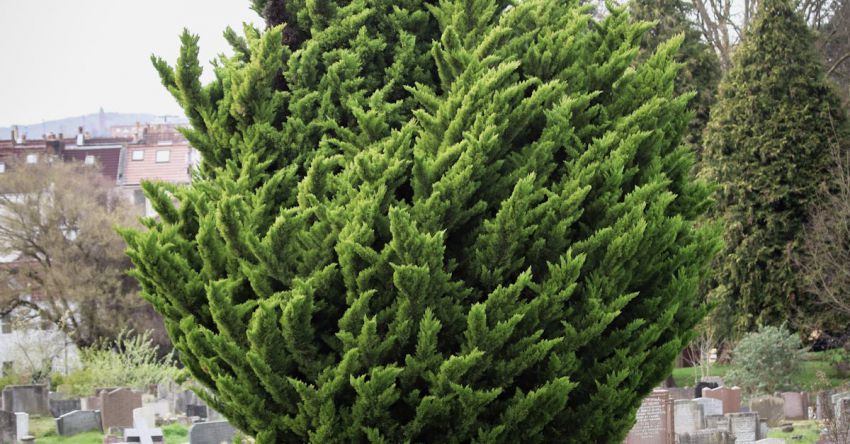
Southern Cemeteries: A Reflection of Regional History
The Southern United States is a region rich in history, with a past marked by periods of prosperity and turmoil. One unique aspect of the South’s historical landscape lies in its cemeteries, which serve as poignant reflections of the region’s complex history. From grandiose monuments to humble grave markers, Southern cemeteries offer a glimpse into the lives and legacies of those who have shaped the region over the centuries.
A Testament to the Antebellum South
Southern cemeteries are often characterized by their grandeur and opulence, reflecting the wealth and social status of the region’s antebellum elite. Magnificent mausoleums, elaborate headstones, and intricate ironwork gates are common features in many Southern burial grounds. These lavish displays of wealth serve as a stark reminder of the stark social hierarchies that existed in the antebellum South.
The prevalence of large family plots in Southern cemeteries also speaks to the importance of lineage and heritage in Southern culture. Family names that have been prominent in the region for generations are often inscribed on ornate headstones, serving as a testament to the enduring influence of these families on the Southern landscape.
Markers of the Civil War
The Civil War left an indelible mark on the Southern United States, and this is evident in the region’s cemeteries. Many Southern burial grounds contain sections devoted to the graves of Confederate soldiers, marked by rows of simple headstones bearing the names of those who perished in the conflict. These somber reminders of the toll of war serve as a poignant tribute to those who gave their lives in defense of the South.
In addition to the graves of Confederate soldiers, Southern cemeteries also contain markers of the war’s impact on civilian populations. Headstones bearing the names of civilians who died during the conflict, as well as graves of those who succumbed to disease and malnutrition in the war’s aftermath, offer a glimpse into the human cost of the Civil War on Southern society.
Symbols of Reconstruction and Jim Crow
The period of Reconstruction and the era of Jim Crow segregation left lasting scars on the Southern United States, and these scars are reflected in the region’s cemeteries. Separate sections for African American burials, often located on the periphery of predominantly white burial grounds, serve as a stark reminder of the racial divisions that persisted in the post-Civil War South.
Grave markers for victims of racial violence, such as lynching victims and civil rights activists, are also common in Southern cemeteries. These markers stand as symbols of the struggle for racial justice in the South, honoring those who fought against systemic racism and oppression.
A Legacy of Resilience and Rebirth
Despite the weight of its history, Southern cemeteries also bear witness to the region’s resilience and capacity for renewal. In many burial grounds, markers of different styles and eras coexist, reflecting the diverse cultural influences that have shaped the Southern United States over time.
Graves adorned with symbols of faith and hope, such as crosses and angels, offer a sense of comfort and solace to visitors, reminding them of the enduring power of faith in the face of adversity. In this way, Southern cemeteries serve not only as repositories of history but also as places of healing and reflection, where the past is honored and the future is embraced.
In conclusion, Southern cemeteries are more than mere repositories of the dead; they are living testaments to the region’s complex and multifaceted history. From the grandeur of the antebellum South to the scars of the Civil War and the struggles of Reconstruction and Jim Crow, Southern burial grounds offer a window into the soul of the South. By exploring these sacred spaces, visitors can gain a deeper understanding of the forces that have shaped the region and find inspiration in the resilience and spirit of those who have gone before.