How Did Southern Farmers Adapt to Changing Climates
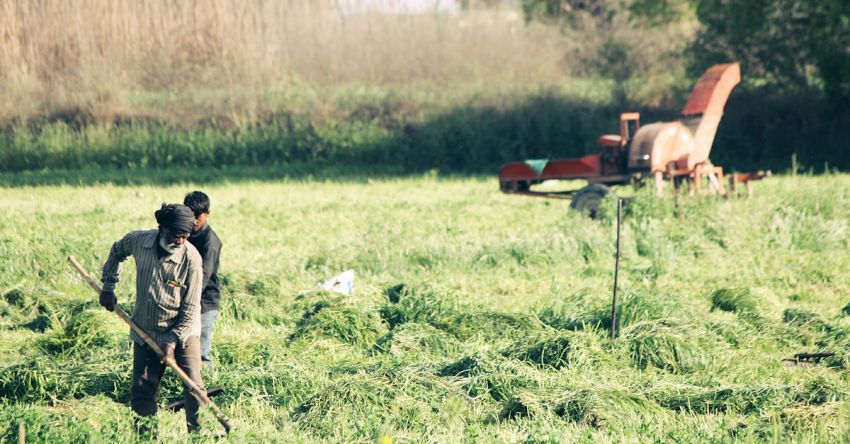
As the climate continues to change globally, Southern farmers have been facing numerous challenges in adapting their agricultural practices to the shifting conditions. In the southern regions of the United States, including states like Texas, Georgia, and Florida, farmers have had to evolve and innovate in response to unpredictable weather patterns, increased temperatures, and changing precipitation levels. This article explores how Southern farmers have been adapting to these changing climates to ensure the sustainability and productivity of their farms.
Challenges Faced by Southern Farmers
Southern farmers have been grappling with a range of challenges brought about by changing climates. One of the key issues they face is the increasing frequency of extreme weather events such as hurricanes, droughts, and floods. These events can cause significant damage to crops, infrastructure, and equipment, leading to financial losses for farmers. Additionally, rising temperatures and shifting rainfall patterns can impact crop yields and soil fertility, making it harder for farmers to maintain consistent production levels.
Implementing Sustainable Agricultural Practices
To address the challenges posed by changing climates, many Southern farmers have been adopting sustainable agricultural practices. These practices focus on reducing the environmental impact of farming operations, conserving natural resources, and building resilience to climate change. One common approach is the use of cover crops, which help improve soil health, retain moisture, and prevent erosion. By planting cover crops such as legumes and grasses, farmers can enhance the fertility of their soil and reduce the need for chemical fertilizers.
Another important practice is crop rotation, which involves alternating the types of crops grown in a particular field each season. Crop rotation can help break pest cycles, improve soil structure, and increase biodiversity on the farm. By diversifying their crop rotations, farmers can reduce the risk of crop failure due to extreme weather events or pest outbreaks.
Investing in Technology and Innovation
Southern farmers have also been investing in technology and innovation to improve their resilience to changing climates. One example is the use of precision agriculture techniques, such as GPS-guided tractors and drones, to optimize planting, irrigation, and pesticide application. These technologies enable farmers to make data-driven decisions that increase efficiency, reduce input costs, and minimize environmental impact.
In addition to precision agriculture, some farmers are exploring the use of climate-resilient crop varieties that are better adapted to local growing conditions. By selecting crops that can tolerate heat, drought, or excess moisture, farmers can mitigate the impacts of changing climates on their yields. Research institutions and agricultural companies are developing and testing new crop varieties that offer improved resilience to climate stress, providing farmers with more options to adapt to changing conditions.
Collaborating with Stakeholders
Collaboration with various stakeholders, including government agencies, universities, and agricultural organizations, is crucial for Southern farmers to effectively adapt to changing climates. These partnerships can provide farmers with access to resources, information, and expertise that can help them navigate the challenges posed by climate change. By working together, stakeholders can develop strategies and initiatives to support sustainable agriculture and build resilience in the face of changing climates.
Adapting to the Future
As climate change continues to pose challenges for Southern farmers, it is essential for them to continue adapting and innovating in response to evolving conditions. By implementing sustainable practices, investing in technology, and collaborating with stakeholders, farmers can build resilience and ensure the long-term viability of their farms. Adapting to changing climates requires creativity, flexibility, and a willingness to embrace new approaches to farming. Southern farmers are rising to the challenge and demonstrating their ability to thrive in the face of adversity.