How Is Sustainable Farming Practiced in the South
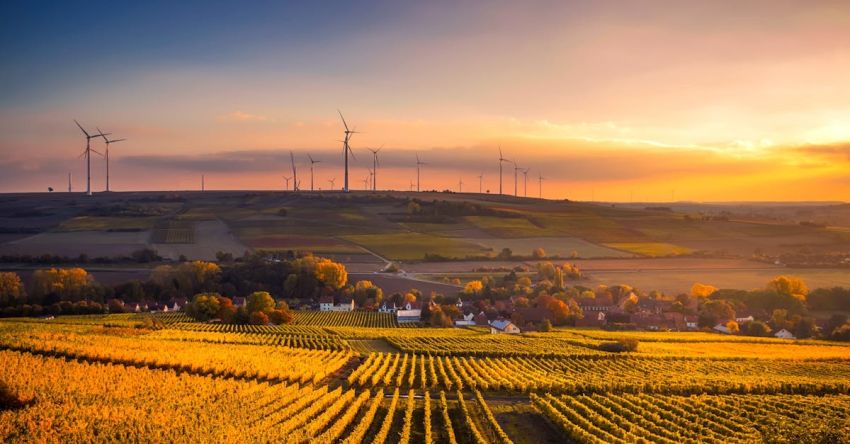
Sustainable farming practices in the South have become increasingly popular as more farmers and consumers recognize the importance of environmentally friendly and economically viable agricultural methods. The region’s diverse climate and fertile land make it an ideal location for implementing sustainable farming techniques that benefit both the environment and the local communities. This article will explore how sustainable farming is practiced in the South, highlighting key strategies and initiatives that promote long-term agricultural sustainability.
**Preservation of Soil Health**
One of the fundamental principles of sustainable farming in the South is the preservation of soil health. Farmers employ various methods to maintain soil fertility and structure, such as crop rotation, cover cropping, and minimal tillage. By rotating crops seasonally, farmers can reduce soil erosion, improve nutrient levels, and prevent the depletion of essential minerals. Cover cropping involves planting a temporary crop during the off-season to protect the soil from erosion, suppress weeds, and enhance soil quality. Minimal tillage practices help to retain soil moisture, reduce compaction, and promote the growth of beneficial soil organisms.
**Water Conservation and Management**
Water conservation and management are critical aspects of sustainable farming in the South, where water availability can vary significantly depending on the region and season. Farmers utilize techniques such as drip irrigation, rainwater harvesting, and water-efficient crop varieties to minimize water usage and reduce the risk of water pollution. Drip irrigation systems deliver water directly to the roots of plants, minimizing evaporation and ensuring efficient water distribution. Rainwater harvesting involves capturing and storing rainwater for irrigation purposes, reducing reliance on groundwater sources. Planting drought-resistant crop varieties helps to conserve water resources and maintain crop productivity during dry periods.
**Integrated Pest Management**
Integrated pest management (IPM) is a key component of sustainable farming practices in the South, aiming to control pests while minimizing the use of chemical pesticides. Farmers implement a combination of biological, cultural, and mechanical control methods to manage pest populations effectively. Biological control involves introducing natural predators or parasites to control pest populations, reducing the need for chemical interventions. Cultural control methods focus on altering farming practices to create unfavorable conditions for pests, such as crop rotation or planting pest-resistant varieties. Mechanical control techniques, such as handpicking pests or using traps, help to reduce pest populations without relying on synthetic pesticides.
**Promotion of Biodiversity**
Sustainable farming practices in the South emphasize the importance of promoting biodiversity to enhance ecosystem resilience and support natural pollination and pest control processes. Farmers integrate diverse crop varieties, plant hedgerows, and create habitat corridors to provide food and shelter for beneficial insects, birds, and other wildlife. Diverse cropping systems help to prevent the spread of diseases and pests, improve soil health, and increase overall farm productivity. Planting native flowering plants and maintaining natural habitats within and around farms attract pollinators and beneficial insects, contributing to increased crop yields and reduced reliance on chemical inputs.
**Community Engagement and Education**
Community engagement and education play a vital role in promoting sustainable farming practices in the South. Farmers participate in local farmer’s markets, community-supported agriculture (CSA) programs, and educational workshops to connect with consumers and raise awareness about sustainable agriculture. By sharing their knowledge and experiences, farmers can inspire others to adopt environmentally friendly practices and support local food systems. Educational initiatives, such as farm tours, workshops, and school programs, help to educate the public about the benefits of sustainable farming and encourage active participation in sustainable food production and consumption.
**In Conclusion**
Sustainable farming practices in the South are essential for preserving the environment, supporting local communities, and ensuring the long-term viability of agriculture. By implementing soil conservation techniques, water management strategies, integrated pest management practices, biodiversity promotion, and community engagement initiatives, farmers in the South can contribute to a more sustainable and resilient food system. Through collaboration, education, and innovation, sustainable farming will continue to thrive in the region, benefiting both present and future generations.