How Did Victorian Architecture Develop in the South
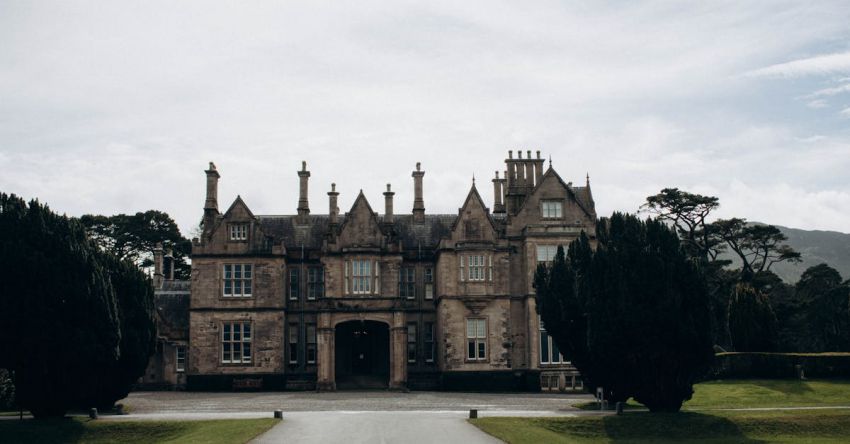
Victorian architecture in the South of the United States holds a unique charm and character that sets it apart from other regions. The development of this architectural style in the South was influenced by a variety of factors, including social, economic, and cultural influences. From grand plantation homes to intricate townhouses, the Victorian era brought a new wave of design to the Southern states, leaving a lasting impact that can still be seen today.
**The Influence of Antebellum Architecture**
Before the Victorian era, the South was already known for its distinctive architectural style, particularly in the form of antebellum homes. These grand estates, characterized by their large columns, expansive porches, and symmetrical designs, set the stage for the development of Victorian architecture in the region. The antebellum style provided a foundation upon which Victorian architects could build, incorporating elements of the past with the new and innovative designs of the Victorian era.
**The Rise of Victorian Eclecticism**
During the Victorian era, architecture in the South began to take on a more eclectic and diverse style, drawing inspiration from a wide range of sources. This eclecticism was a hallmark of Victorian design, as architects sought to incorporate elements from various architectural styles into their creations. In the South, this meant blending traditional antebellum features with Victorian embellishments such as intricate woodwork, decorative trim, and vibrant paint colors.
**The Impact of Industrialization**
The Industrial Revolution had a significant impact on the development of Victorian architecture in the South. With the rise of new technologies and materials, architects were able to experiment with innovative designs and construction techniques. The availability of mass-produced building materials such as cast iron and steel allowed for the creation of more elaborate and ornate structures, further enhancing the grandeur of Victorian buildings in the region.
**Incorporating Local Influences**
Despite the influence of new technologies and materials, Victorian architecture in the South also drew inspiration from local traditions and cultures. Architects often incorporated elements of Southern vernacular architecture into their designs, such as the use of porches, shutters, and steeply pitched roofs. This blending of local influences with Victorian design principles created a unique architectural style that was distinctly Southern in character.
**The Legacy of Victorian Architecture in the South**
Today, Victorian architecture in the South stands as a testament to the creativity and innovation of the architects who shaped the region during the 19th century. From the grand mansions of Charleston to the colorful shotgun houses of New Orleans, the legacy of Victorian design can be seen in cities and towns throughout the South. While many Victorian buildings have been preserved and restored, others have been lost to time, making the remaining examples all the more precious.
**Preserving the Past for the Future**
As interest in historic preservation grows, efforts are being made to protect and restore Victorian buildings in the South. Organizations such as the Historic Charleston Foundation and the Preservation Resource Center of New Orleans work to safeguard these architectural treasures for future generations to enjoy. By recognizing the cultural and historical significance of Victorian architecture in the South, we can ensure that these unique and beautiful buildings continue to be appreciated and preserved for years to come.
**In Summary**
The development of Victorian architecture in the South was shaped by a combination of influences, from antebellum traditions to industrial advancements. The eclectic and diverse nature of Victorian design in the region reflects a blending of styles and cultures that is distinctly Southern. As we continue to preserve and celebrate these architectural treasures, we honor the legacy of the architects who helped shape the built environment of the South during the Victorian era.