How Did the Bungalow Style Become Popular in the South
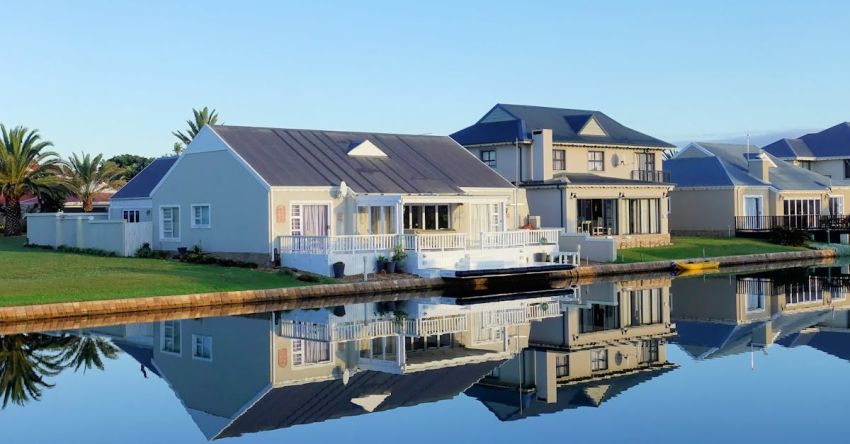
The Bungalow Style: A Southern Design Sensation
The Bungalow style is a quintessential American architectural design that gained immense popularity in the Southern United States during the early 20th century. Known for its cozy, compact structure and distinct features, the Bungalow style has become a beloved choice for homeowners seeking a blend of functionality and charm in their residences. But how did this architectural style become so prevalent in the South? Let’s delve into the history and factors that contributed to the rise of the Bungalow style in this region.
The Rise of the Bungalow Style
Origins and Influences
The Bungalow style originated in India, where it was traditionally used to describe a type of small, single-story house with a veranda. British colonizers in India were intrigued by these structures and brought the concept back to England in the 19th century. From there, the design made its way to America, where it underwent adaptations to suit the preferences and needs of the burgeoning middle-class population.
Characteristics of a Bungalow
Bungalows are typically one or one-and-a-half-story houses with a low-pitched roof and a horizontal orientation. They often feature wide, overhanging eaves, exposed rafters, and a front porch or veranda. The interior layout of a Bungalow is characterized by an open floor plan, with rooms flowing seamlessly into one another. These design elements, along with the use of natural materials like wood and stone, create a warm and inviting atmosphere that has endeared the Bungalow style to homeowners across the country.
The Influence of Climate
One of the reasons the Bungalow style became popular in the South can be attributed to the region’s warm and humid climate. The wide, sheltering eaves and deep porches of Bungalows provide shade and protection from the sun, making them well-suited for the hot Southern summers. The open floor plans and ample windows allow for natural ventilation, helping to keep the interiors cool and comfortable. In a region where outdoor living is a way of life, the Bungalow’s emphasis on porches and verandas resonated with Southern homeowners looking to blur the lines between indoor and outdoor spaces.
Economic Factors
The early 20th century saw a rise in homeownership rates in the South, thanks in part to the economic prosperity of the post-World War I era. The Bungalow style, with its modest size and efficient use of space, appealed to middle-class families looking to own their own homes. Bungalows were more affordable to build than larger, more elaborate houses, making them accessible to a broader segment of the population. The simplicity and practicality of the Bungalow style aligned with the values of Southern homeowners, who valued functionality and comfort over ostentation.
The Popularity of Craftsman Design
The Bungalow style is closely associated with the Arts and Crafts movement, which emphasized craftsmanship, simplicity, and a connection to nature. Craftsman-style Bungalows, with their handcrafted details and use of natural materials, resonated with homeowners seeking a departure from the ornate Victorian architecture that was prevalent in the late 19th century. In the South, where traditions of craftsmanship and handmade goods were highly valued, the Craftsman Bungalow found a receptive audience.
The Enduring Appeal of the Bungalow Style
Today, the Bungalow style continues to be a popular choice for homeowners in the South and beyond. Its timeless design, efficient use of space, and seamless integration of indoor and outdoor living spaces make it a versatile and enduring architectural style. Whether nestled in a historic neighborhood or standing as a modern interpretation, the Bungalow style remains a beloved symbol of American domestic architecture.
In conclusion,
The Bungalow style’s journey to popularity in the South was influenced by a combination of historical, cultural, and practical factors. Its origins in India, adaptation in America, and alignment with the region’s climate and economic conditions all played a role in shaping its widespread appeal. Today, the Bungalow style stands as a testament to the enduring charm and functionality of this beloved architectural design.