How Did Greek Revival Style Influence Southern Buildings
The Influence of Greek Revival Style on Southern Buildings
In the early 19th century, a wave of architectural inspiration swept across the Southern United States, leaving behind a legacy of grand columns, pediments, and symmetrical facades. This movement, known as the Greek Revival style, drew heavily from the architectural elements of ancient Greece, reflecting the ideals of democracy, reason, and classical beauty. The impact of this style on Southern buildings was profound, shaping the landscape of cities and plantations alike. Let’s delve into how the Greek Revival style influenced the architecture of the American South.
Echoes of Ancient Greece in the Southern Skyline
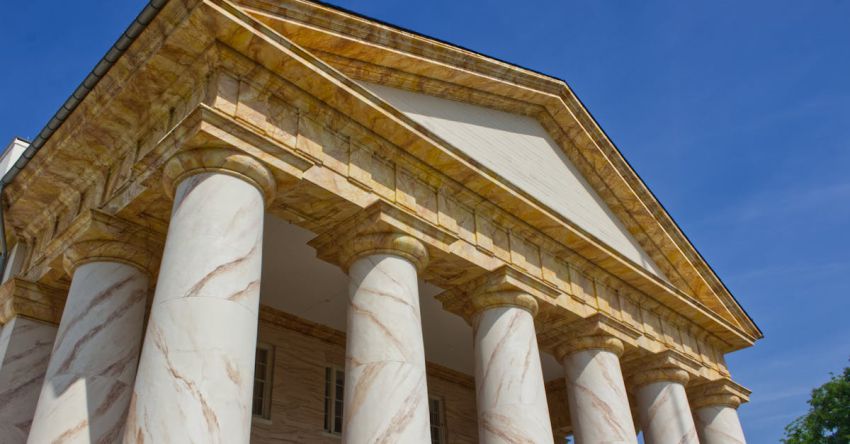
One of the most striking features of the Greek Revival style is the use of columns, particularly the iconic Doric, Ionic, and Corinthian orders. These columns, with their elegant proportions and graceful curves, were often employed in Southern buildings to convey a sense of grandeur and classical sophistication. Plantation mansions, government buildings, and even churches adopted this architectural language, creating a visual link to the democratic ideals of ancient Greece.
The Southern climate, with its hot and humid summers, also played a role in the adoption of the Greek Revival style. The wide, shaded porches and tall columns provided much-needed ventilation and shade, making these buildings not only aesthetically pleasing but also practical in a region known for its sweltering temperatures.
From Monticello to Monticello: Thomas Jefferson’s Influence
The influence of the Greek Revival style in the South can be traced back to one of America’s founding fathers, Thomas Jefferson. Jefferson, an avid student of architecture and a proponent of classical design, incorporated elements of ancient Greece into his own home, Monticello. The neoclassical portico and dome of Monticello served as a model for many Southern architects, inspiring them to emulate the grandeur and elegance of Jefferson’s iconic residence.
The Spread of Greek Revival: The Antebellum South
The Greek Revival style reached the height of its popularity during the Antebellum period in the South, as plantation owners and wealthy landowners sought to showcase their prosperity and refinement through architecture. The grandiose plantation houses that dotted the Southern landscape, such as Nottoway Plantation in Louisiana and Oak Alley Plantation in Louisiana, exemplified the opulence and elegance of the Greek Revival style.
In addition to plantation mansions, government buildings in the South also embraced the Greek Revival style, further solidifying its influence on the region. The Alabama State Capitol in Montgomery and the Old State House in Little Rock, Arkansas, are prime examples of government buildings that adopted the classical columns and pediments characteristic of the Greek Revival style.
Legacy of Elegance: Greek Revival in the Modern South
Even today, the legacy of the Greek Revival style can be seen in the architecture of the modern South. Historic preservation efforts have ensured that many of the grand antebellum homes and government buildings have been lovingly preserved, allowing future generations to appreciate the timeless beauty of this architectural style.
The influence of the Greek Revival style on Southern buildings is undeniable, shaping the landscape of the region and leaving a lasting impression on the architectural heritage of the American South. From the grand columns of plantation mansions to the classical elegance of government buildings, the echoes of ancient Greece continue to resonate in the Southern skyline, reminding us of the enduring allure of classical beauty and sophistication.