What Are the Famous Southern Civil War Memorials
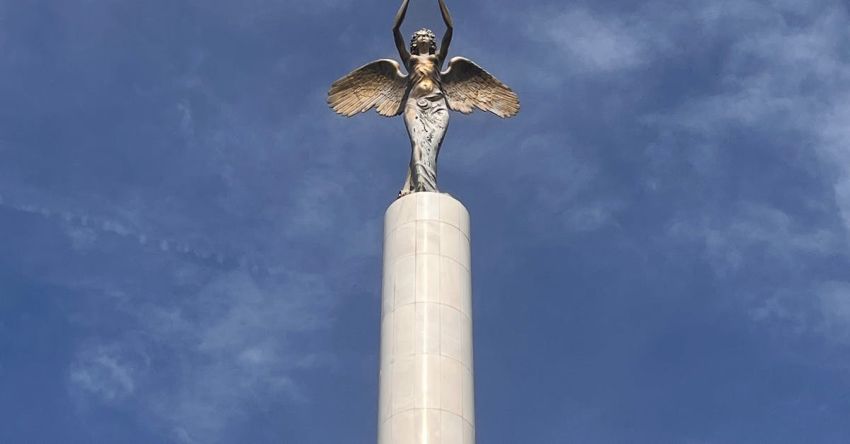
The American Civil War, fought from 1861 to 1865, remains a pivotal moment in the nation’s history, shaping the future of the United States. Across the Southern states, numerous memorials stand as poignant reminders of this tumultuous period. These memorials, often controversial due to their representation of Confederate figures, hold historical significance and offer insights into the complex legacy of the Civil War. Here, we explore some of the most famous Southern Civil War memorials that continue to evoke strong emotions and spark discussions.
**Stone Mountain Confederate Memorial – Georgia**
Carved into the granite face of Stone Mountain in Georgia, the Stone Mountain Confederate Memorial is a massive sculpture depicting three prominent figures of the Confederate States of America: President Jefferson Davis and Generals Robert E. Lee and Thomas “Stonewall” Jackson. This monument, completed in 1972, is considered the largest bas-relief sculpture in the world. Despite its impressive size and artistry, the memorial has faced criticism for its celebration of Confederate leaders and its association with white supremacy.
**Monument Avenue – Virginia**
Monument Avenue in Richmond, Virginia, is home to several Confederate statues dedicated to prominent figures of the Civil War era. The most notable of these is the monument of General Robert E. Lee, which stands at the center of the avenue. Designed by French sculptor Jean Antonin Mercie, the statue depicts Lee mounted on his horse, Traveller. Monument Avenue also features statues of other Confederate leaders, such as Stonewall Jackson and J.E.B. Stuart. These monuments have sparked debates about their historical significance and the messages they convey in a modern context.
**Confederate Memorial Carving – Georgia**
Located in Stone Mountain Park, Georgia, the Confederate Memorial Carving is a massive sculpture that depicts Confederate President Jefferson Davis and Generals Robert E. Lee and Stonewall Jackson on horseback. Carved into the north face of Stone Mountain, this memorial is a significant tourist attraction in the state. The carving, which measures 90 feet tall and 190 feet wide, is a controversial symbol of the Confederacy and has been the subject of debates regarding its historical accuracy and cultural impact.
**Silent Sam – North Carolina**
Silent Sam, a statue erected on the campus of the University of North Carolina at Chapel Hill in 1913, honors the university’s students who fought for the Confederacy during the Civil War. The statue, depicting a Confederate soldier holding a rifle, has been a source of controversy and protest in recent years. In 2018, Silent Sam was toppled by demonstrators, leading to heated discussions about the representation of Confederate symbols on public grounds and their implications for contemporary society.
**Confederate Soldiers and Sailors Monument – Alabama**
Situated in Montgomery, Alabama, the Confederate Soldiers and Sailors Monument is a towering memorial dedicated to the Confederate soldiers and sailors who fought in the Civil War. The monument, unveiled in 1898, features a central column topped with a figure representing the “Spirit of the Confederacy” and is surrounded by statues of soldiers and sailors. Despite its historical significance, the memorial has faced criticism for glorifying the Confederate cause and perpetuating divisive narratives about the Civil War.
**Conclusion: Reflecting on the Legacy of Southern Civil War Memorials**
Southern Civil War memorials serve as tangible reminders of a tumultuous period in American history, offering insights into the complexities of the Civil War’s legacy. While these monuments commemorate the sacrifices and struggles of Confederate soldiers and leaders, they also spark debates about historical accuracy, cultural relevance, and the representation of controversial symbols. As discussions continue about the role of these memorials in contemporary society, they remain significant markers of the enduring impact of the Civil War on the Southern states.