What Are the Historic Roots of Southern Harvest Festivals
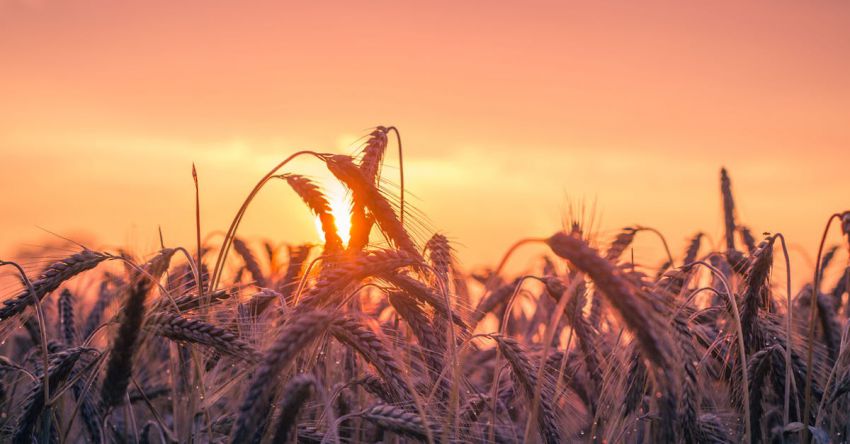
Southern Harvest Festivals: Unearthing the Historic Roots
Every year, as the warm hues of autumn take over the Southern landscape, communities come together to celebrate the bountiful harvest season through vibrant festivals. These festive gatherings are deeply rooted in history, tracing back to ancient traditions that have evolved over centuries. The Southern Harvest Festivals offer a glimpse into the rich cultural tapestry of the region, blending indigenous practices, agricultural customs, and a touch of modern flair. Let’s delve into the historic roots of these beloved celebrations and uncover the stories behind their enduring legacy.
A Tapestry of Indigenous Traditions
Before the arrival of European settlers, indigenous peoples across the Southern region marked the changing of seasons with ceremonies that honored the earth’s abundance. These ancient harvest rituals were deeply intertwined with spiritual beliefs, reflecting a profound reverence for nature and the cycle of life. The Cherokee, Choctaw, Seminole, and other native tribes celebrated the harvest through dances, feasts, and storytelling, passing down traditions from generation to generation.
The Legacy of European Settlers
With the arrival of European settlers in the Southern colonies, the harvest festivals took on new dimensions, blending indigenous practices with Old World customs. The early English, French, Spanish, and German settlers brought with them a rich tapestry of agricultural traditions, from the English harvest home to the German Oktoberfest. These diverse influences laid the foundation for the vibrant mosaic of Southern harvest festivals we see today.
Agricultural Fairs and Market Days
As agriculture became the lifeblood of the Southern economy, communities began to organize agricultural fairs and market days to showcase their harvests and exchange goods. These gatherings were not only a time for farmers to display their bounty but also an opportunity for families to come together, socialize, and enjoy the fruits of their labor. Over time, these fairs evolved into full-fledged harvest festivals, complete with music, food, and games, embodying the spirit of community and camaraderie.
The Influence of African-American Traditions
The Southern harvest festivals also bear the imprint of African-American traditions, which have played a significant role in shaping the cultural landscape of the region. From the rhythms of gospel music to the flavors of soul food, African-American heritage infuses the festivities with a sense of vitality and soul. The vibrant dances, vibrant colors, and lively music of the Southern harvest festivals resonate with the legacy of African-American culture, adding depth and diversity to the celebrations.
Modern-Day Revival
While the traditions of the past continue to inform the Southern harvest festivals, modern-day celebrations have also embraced innovation and creativity. Today, you can find a wide range of events, from pumpkin patches and corn mazes to craft markets and farm-to-table dinners, offering a contemporary twist on age-old customs. These modern interpretations of the harvest festival tradition reflect the dynamism and diversity of the Southern culture, showcasing the region’s ability to adapt and evolve while staying true to its roots.
Celebrating the Seasons: A Timeless Tradition
As we gather at Southern harvest festivals to revel in the sights, sounds, and flavors of the season, we are participating in a timeless tradition that connects us to the land, to our ancestors, and to each other. The historic roots of these festivals run deep, weaving together a tapestry of indigenous, European, and African-American influences that continue to shape our cultural heritage. So, as you savor the taste of freshly picked apples, dance to the music of local bands, and marvel at the beauty of fall foliage, remember that you are part of a living history that celebrates the bounty of the earth and the spirit of community.