How Did Weaving Influence Southern Economies
The Impact of Weaving on Southern Economies
Weaving has played a crucial role in shaping the economies of southern regions throughout history. From the antebellum South in the United States to the textile industries of India and Southeast Asia, the art of weaving has had a profound influence on the economic landscape of these areas. Let’s delve into how weaving has impacted southern economies and why it continues to be a significant economic force today.
The Historical Significance of Weaving
Weaving has a long and storied history in southern economies, dating back centuries. In the antebellum South, weaving was a vital part of the economy, particularly in the production of textiles such as cotton and wool. Plantations relied on enslaved labor to operate looms and produce textiles for both domestic use and export. The profitability of weaving in the antebellum South fueled the growth of the region’s economy and played a significant role in the institution of slavery.
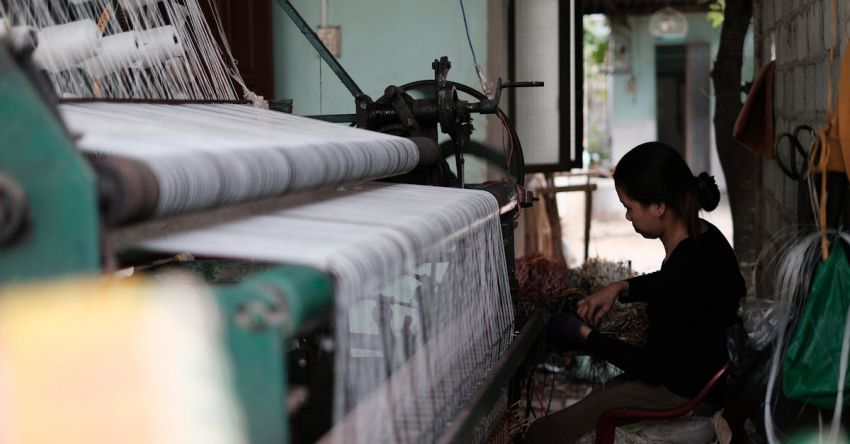
Similarly, in countries like India and Indonesia, weaving has been a cornerstone of the economy for generations. Handloom weaving has been a traditional craft in these regions, providing livelihoods for countless families and contributing to the local economy. The intricate patterns and designs produced by skilled weavers have made textiles from these regions highly sought after in global markets, further bolstering the economic impact of weaving.
The Economic Impact of Weaving
Weaving has been a driving force behind the economic development of southern regions around the world. The production of textiles through weaving has created employment opportunities for millions of people, from weavers and spinners to dyers and finishers. In countries like India, the handloom sector alone employs over 4 million people, making it one of the largest sources of rural employment in the country.
Furthermore, weaving has contributed to the growth of local economies by creating a demand for raw materials such as cotton, wool, and silk. This has led to the development of ancillary industries such as agriculture and animal husbandry, which support the weaving industry by providing essential inputs. The economic ripple effect of weaving extends beyond the textile sector, benefiting a wide range of businesses and communities.
The Role of Weaving in Global Trade
Weaving has played a crucial role in global trade and commerce, connecting southern economies to markets around the world. Textiles produced through weaving have been traded internationally for centuries, forming the basis of lucrative trade relationships between countries. The export of textiles has been a major source of revenue for southern economies, providing a steady income stream and fostering economic growth.
In the modern era, the global textile industry continues to be a significant driver of economic activity in southern regions. Countries like Bangladesh, Vietnam, and Cambodia have emerged as major players in the global textile trade, leveraging their weaving expertise to capture a share of the international market. The success of these countries in the textile industry has helped to boost their economies and create new opportunities for growth and development.
The Future of Weaving in Southern Economies
As we look to the future, weaving is poised to continue playing a vital role in southern economies around the world. The traditional craft of handloom weaving is being preserved and promoted through initiatives aimed at supporting artisanal weavers and preserving cultural heritage. Additionally, advancements in technology have revolutionized the textile industry, making weaving more efficient and sustainable than ever before.
In conclusion, weaving has been a driving force behind the economic development of southern regions throughout history. From the antebellum South to modern-day textile hubs in Asia, the art of weaving has shaped economies, created jobs, and facilitated global trade. As we move forward, it is essential to recognize the enduring impact of weaving on southern economies and support initiatives that promote the continued growth and sustainability of this vital industry.