What Are the Origins of Southern Mardi Gras Celebrations
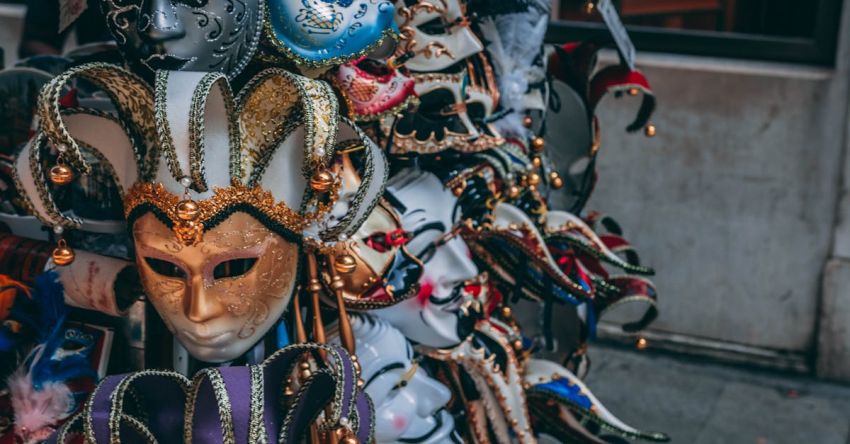
Mardi Gras, a widely celebrated event known for its vibrant parades, costumes, and revelry, is deeply rooted in the culture of the Southern United States. While many associate Mardi Gras primarily with the city of New Orleans, the origins of this festive tradition can be traced back to a variety of influences that have shaped the unique celebrations seen throughout the region.
**French Influence on Southern Mardi Gras Celebrations**
One of the primary influences on Southern Mardi Gras celebrations can be attributed to French culture. The tradition of Mardi Gras, meaning “Fat Tuesday” in French, originated in medieval Europe as a day of feasting and celebration before the Lenten season of fasting and penance. When French settlers arrived in the Southern United States, they brought with them their customs and traditions, including the practice of celebrating Mardi Gras.
**Early Celebrations in Mobile, Alabama**
While New Orleans may be the most famous city associated with Mardi Gras, the first recorded Mardi Gras celebration in the United States actually took place in Mobile, Alabama. In 1703, French settlers in Mobile marked the occasion with street parades, masked balls, and other festive activities. This early celebration laid the groundwork for the Mardi Gras traditions that would later spread throughout the region.
**The Birth of New Orleans Mardi Gras**
New Orleans’s association with Mardi Gras can be traced back to the late 18th century when the city was under Spanish rule. The Spanish government officially sanctioned Mardi Gras celebrations in the city, establishing formal balls and parades as part of the annual festivities. Over time, New Orleans’s Mardi Gras celebrations grew in size and grandeur, attracting visitors from around the world and solidifying the city’s reputation as the Mardi Gras capital of the United States.
**African-American Influence on Mardi Gras**
In addition to French and Spanish influences, African-American culture has played a significant role in shaping Southern Mardi Gras celebrations. African-Americans in the Southern United States have long been active participants in Mardi Gras traditions, contributing their own music, dance, and artistic expressions to the festivities. From the vibrant rhythms of brass bands to the intricate designs of Mardi Gras Indian costumes, African-American culture has added a rich and dynamic element to the celebration.
**Modern-Day Mardi Gras Traditions**
Today, Southern Mardi Gras celebrations encompass a wide range of traditions and customs, each with its own unique history and significance. In cities like Mobile, New Orleans, and Lafayette, Louisiana, Mardi Gras is a time of parades, masquerade balls, king cakes, and colorful floats that reflect the diverse cultural influences that have shaped the region.
**The Evolution of Southern Mardi Gras Celebrations**
Over the years, Southern Mardi Gras celebrations have evolved and adapted to changing times and circumstances. While the core elements of the tradition remain constant – including music, dance, and revelry – each community puts its own spin on the festivities, creating a tapestry of unique and vibrant celebrations that showcase the rich cultural heritage of the region.
**In Conclusion: Celebrating Tradition and Diversity**
Southern Mardi Gras celebrations are a testament to the enduring power of tradition and the resilience of cultural heritage. From the French settlers of Mobile to the African-American communities of New Orleans, Mardi Gras in the Southern United States is a celebration of diversity, creativity, and community spirit. As the tradition continues to evolve and adapt, it remains a vibrant and dynamic expression of the rich tapestry of cultures that have shaped the region.