What Are the Key Crops Grown in Southern States
Rich in fertile soil and blessed with a warm climate, the southern states of the United States are known for their agricultural abundance. From the rolling fields of cotton to the orchards of peaches, the region boasts a diverse array of crops that thrive in its unique environment. Let’s delve into the key crops grown in the southern states and explore the significance of these agricultural staples.
**Cotton**: The White Gold of the South
One cannot discuss agriculture in the southern states without mentioning cotton. Known as the “white gold” of the South, cotton has played a pivotal role in the region’s economy for centuries. With states like Texas, Georgia, and Mississippi leading the way in cotton production, the crop thrives in the warm climate and fertile soil of the South. From its historic significance during the antebellum era to its modern-day applications in textiles and manufacturing, cotton remains a cornerstone crop in the agricultural landscape of the southern states.
**Peanuts**: The Nutty Delight
Another key crop grown in the southern states is peanuts. Georgia, Alabama, and Florida are among the top producers of peanuts in the country. Peanuts are not only a popular snack item but also a versatile crop used in various culinary dishes and products. From peanut butter to peanut oil, this legume plays a significant role in the agricultural economy of the South. With its high protein content and nutritional value, peanuts continue to be a staple crop for farmers in the region.
**Corn**: The Golden Grain
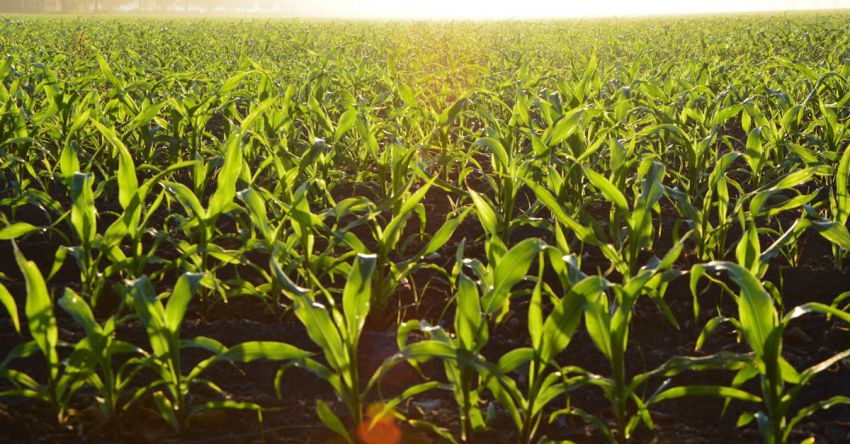
Corn, also known as maize, is a staple crop grown in abundance across the southern states. With states like Iowa, Illinois, and Nebraska leading in corn production, the South also contributes significantly to the cultivation of this golden grain. Corn serves as a vital ingredient in livestock feed, food products, and industrial applications. From sweet corn enjoyed at summer barbecues to corn used in ethanol production, this versatile crop plays a crucial role in the agricultural diversity of the southern states.
**Soybeans**: The Protein Powerhouse
Soybeans are another key crop grown in the southern states, with states like Arkansas, Mississippi, and Louisiana being major producers. Soybeans are valued for their high protein content and versatile uses in food products, animal feed, and industrial applications. From tofu and soy milk to biodiesel and animal feed, soybeans are a powerhouse crop that contributes significantly to the agricultural economy of the South.
**Peaches**: The Sweet Southern Treat
In addition to traditional row crops, the southern states are also known for their orchards of peaches. Georgia, South Carolina, and Alabama are famous for their peach production, with the juicy fruit being a sweet Southern treat enjoyed by many. Peaches are not only delicious on their own but also used in pies, jams, and other culinary delights. The peach orchards of the South add a touch of sweetness to the agricultural landscape of the region.
**Conclusion: A Bounty of Agricultural Diversity**
The southern states of the United States boast a bounty of agricultural diversity, with key crops ranging from cotton and peanuts to corn, soybeans, and peaches. The warm climate, fertile soil, and rich agricultural heritage of the region have made it a hub for crop production and innovation. As these key crops continue to thrive in the South, they not only contribute to the local economy but also play a vital role in feeding and sustaining communities both within the region and beyond. The agricultural legacy of the southern states remains a testament to the ingenuity and resilience of farmers who have cultivated these crops for generations.