What Are the Traditional Methods of Southern Leatherwork
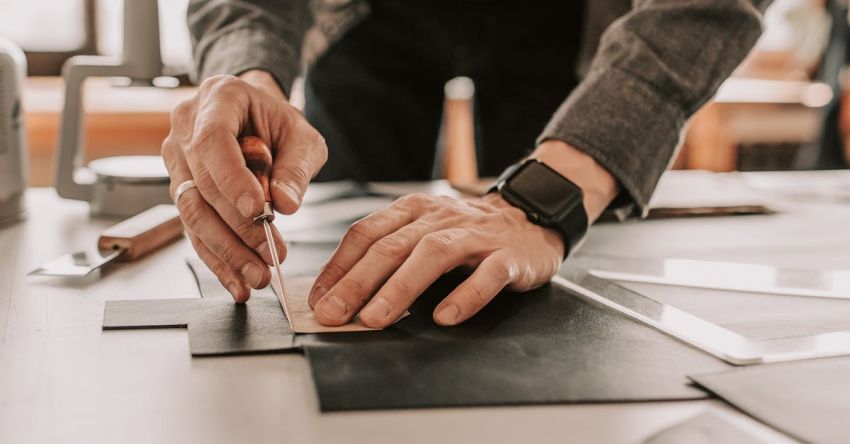
Southern leatherwork has a rich history deeply rooted in tradition and craftsmanship. From belt making to saddle crafting, the art of working with leather has been passed down through generations in the Southern United States. Traditional methods of Southern leatherwork showcase the skill and dedication of artisans who continue to preserve this timeless craft. Let’s delve into the techniques and processes that make Southern leatherwork so unique and revered.
Mastering the Art of Tooling
One of the hallmark techniques of Southern leatherwork is tooling, which involves creating intricate designs and patterns on leather surfaces. Artisans use specialized tools such as swivel knives, bevelers, and stamping tools to carve and impress designs onto the leather. Tooling requires precision and patience, as each detail contributes to the overall beauty of the finished piece. Whether it’s floral motifs on a belt or geometric patterns on a wallet, tooling adds depth and character to Southern leatherwork.
Embracing Hand Stitching
Hand stitching is another essential aspect of traditional Southern leatherwork. Unlike machine stitching, which can be quicker but lacks the same level of detail and durability, hand stitching allows artisans to create strong, visually appealing seams that stand the test of time. Using techniques like saddle stitching, artisans meticulously sew together leather pieces using waxed thread and needles. The result is a seamless and elegant finish that enhances the overall quality of the leatherwork.
Dyeing and Finishing Techniques
To bring out the natural beauty of the leather and add color, Southern artisans employ various dyeing and finishing techniques. Vegetable tanning, a method that uses natural tannins from plant sources, is a popular choice for creating rich, earthy tones in leather. Artisans carefully apply dyes and finishes by hand, allowing for customization and unique variations in color. Through techniques like burnishing and edge painting, artisans create smooth, polished edges that give their pieces a professional and refined look.
Preserving Tradition through Hand Tool Usage
In Southern leatherwork, the use of hand tools is not just a preference but a tradition that reflects the commitment to craftsmanship and attention to detail. From cutting and shaping leather with a utility knife to skiving and thinning with a specialized tool called a skiver, artisans rely on manual tools to achieve precision and control in their work. By embracing these traditional hand tools, artisans honor the legacy of Southern leatherwork and uphold the standards of quality and excellence that define the craft.
Incorporating Braiding and Lacing
Braiding and lacing are distinctive elements of Southern leatherwork that add texture and complexity to finished pieces. Whether it’s creating intricate braided patterns on a handle or using lacing to secure seams and embellish edges, artisans skillfully incorporate these techniques to enhance the visual appeal and functionality of their work. Braiding and lacing require patience and craftsmanship, as each strand or lace is carefully woven and secured to create a seamless and durable finish.
Celebrating Heritage and Creativity
Southern leatherwork is more than just a craft—it’s a celebration of heritage, creativity, and skill. Artisans draw inspiration from their surroundings, traditions, and personal experiences to create pieces that reflect the soul and spirit of the South. By preserving traditional methods and embracing innovation, Southern leatherworkers continue to push the boundaries of the craft while honoring the timeless techniques that have been passed down through generations.
Honoring the Past, Crafting the Future
In a fast-paced world driven by mass production and technology, Southern leatherwork stands as a testament to the enduring value of tradition, craftsmanship, and artistry. By honoring the past and crafting the future, artisans keep the legacy of Southern leatherwork alive and thriving. Each piece created using traditional methods carries with it a story—a story of dedication, skill, and the enduring beauty of Southern craftsmanship.